
Counseling in Austin
ATX Counseling for LGBTQIA+, highly sensitive, high-achieving professionals
You're done acting as if everything's fine.
You've been staring at the ceiling for the past hour, again. Your brain won't stop as it's running through tomorrow's to-do list; something a coworker said three days ago that you can't let go of; whether you said the wrong thing in that meeting.
You're exhausted in a way that sleep doesn't fix even when you get it. Bone-deep. Soul-deep. You go to bed tired. You wake up even more tired. And in between waking and trying to sleep, you perform, at work, for your coworkers, for friends and family, for everyone who needs something from you, until you get home and collapse into the couch and scroll your phone for hours because your brain is too fried to do anything else but too wired to actually rest. You're drained. Then you go to bed and still can't sleep. Only to repeat the cycle over and over.
You are overwhelmed
The noise in the open office makes your head pound by noon. Fluorescent lights. Side conversations you can't tune out. Someone eating lunch too loudly. It's not that you choose to notice everything all at once, all the time. You just do. Your nervous system never got the memo that some things are supposed to be background noise. By the end of the day you are so overstimulated and wrung out that small talk in the elevator feels like an assault. You want to scream sometimes, just from the accumulated weight of all of it. The sounds, the requests, the labor of reading every room you walk into and adjusting accordingly, solving everyone else's emotions.
You used to love what you do. You remember when you felt sharp and capable and genuinely excited to show up. You felt something like pride in being the person others counted on, the one who got things done right. Now that same thing feels like a trap. Everyone still comes to you. Your boss keeps piling on tasks. Your coworkers treat you like a resource, and you say yes, you'll take care of it. You always say yes.
But the version of you that everyone counts on has forced you into a corner. You built a reputation on being reliable, capable, the one who figures it out, and now that reputation requires everything you have just to maintain. Your drowning in the stress and anxiety of having to do it all. But your scared; if you make one mistake, you're convinced it will all fall apart. You know logically that's not how it works. But you can't seem to shake it.
You feel everything
You feel other people's stress like it's your own. A coworker is having a hard week, and you absorb it, carry it home. Your boss is in a bad mood and your whole nervous system goes on high alert; you spend the rest of the day tiptoeing around, scanning for what you did wrong, trying not to make things worse. You keep thinking if you could just care a little less, like everyone else seems to, this would be so much easier. But you can't. You feel everything so loudly. You always have.
And then there's the thing you don't talk about at work because you're still not sure how safe it is.
You long for safety and community
You're queer and you're out, but being out and being safe are not the same thing, and you've learned that the hard way more than once. The people you work with who genuinely seem to like you, who call you a friend, who come to you when they're struggling: some of them, you know, would vote against your right to exist if given the chance. Have voted against it. Probably will again. And you're supposed to just be their emotional support system? Just keep showing up with your whole open heart for people who see your humanity as conditional? You do it because you need this job.
You wonder sometimes if that's part of why you're so tired. Not just the work. Not just the sensory overwhelm. But the constant low-grade grief of being in community with people who don't fully see you. The performance of being palatable.
You want to reach out to your friends, the real ones, but you can't bring yourself to do it. You don't want to show up as this hollow, drained version of yourself. And if they seem fine and normal, you'll have to perform fine-and-normal back, and that will cost more than you have. So instead, you stay home. You sit on the couch with your pet curled up next to you, the one relationship where you don't have to be anything other than present. Even that has felt harder lately. You noticed it and it worried you.
You need a change.
Because the alternative isn't working and the cost of continuing like this is too high.
You've been dragging yourself out of bed and onto this hamster wheel long enough. You know because some part of you has been keeping track of the months of feeling like this. Collecting proof that this isn't just a phase. The evidence has piled up, and it is telling you: something is actually wrong and you need someone who gets it: the sensitivity, the queer experience, the way those two things tangle together into something that doesn't fit neatly into boxes. Someone who understands that being sensitive isn't a weakness and being queer isn't a footnote. Someone you don't have to educate before you can start actually doing the work.
You’re in the right place. We see you.
We Provide Online Counseling for folks in Texas, Oregon, New Hampshire, and Vermont
This isn't about going back to some earlier version of yourself. It's about something more honest than that, and more sustainable. It's about figuring out who you actually are now, what you truly value, and how you want to live, and then building toward that with intention. With your sensitivity treated as a strength. With your drive pointed somewhere that actually matters to you. That kind of change is real. And it's possible.
If you've been searching for counseling in Austin that truly understands the full picture of your experience, you're in the right place.
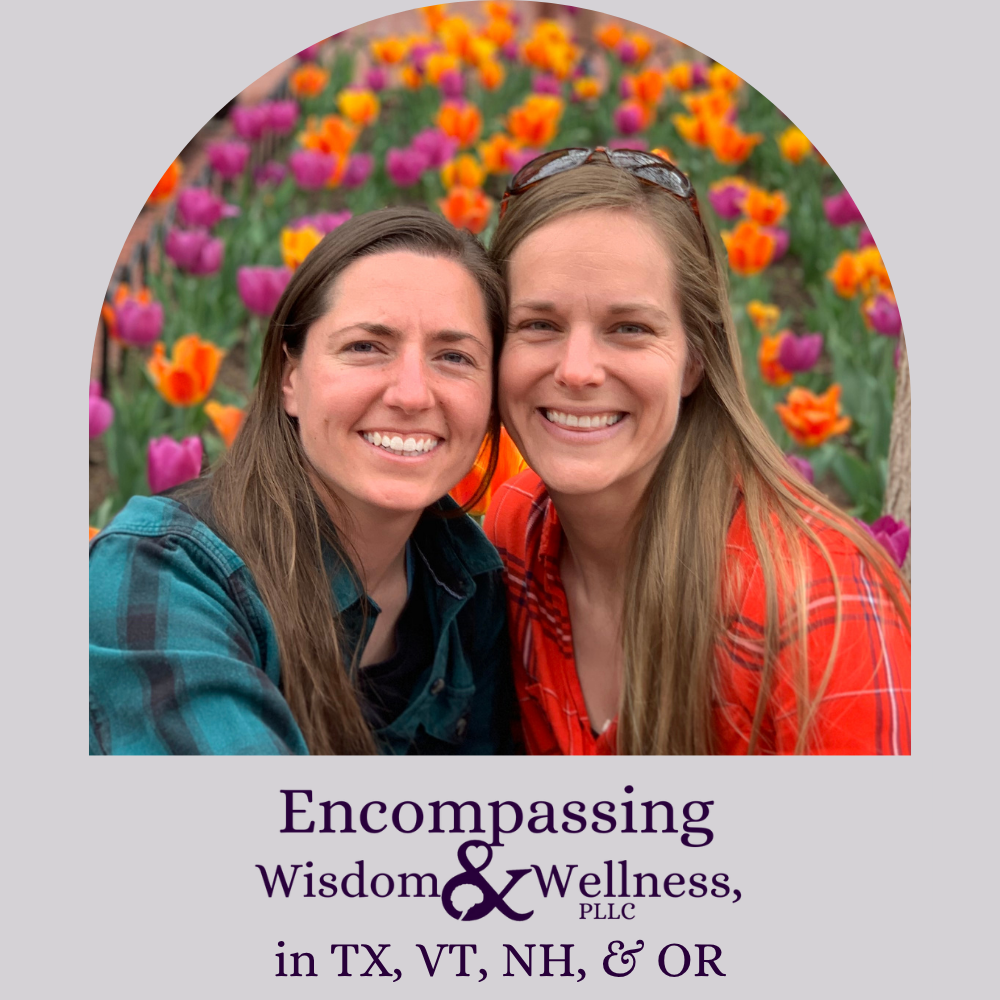
At Encompassing Wisdom & Wellness, our therapists are here to help you. We’re Licensed Professional Counselors based in Austin, Texas, offering online counseling for highly sensitive, high-achieving queer people who are exhausted, overwhelmed, and quietly wondering if this is just what life is supposed to feel like.

This isn't what life is supposed to feel like. And you don't have to keep living like it is.
As a queer, nonbinary therapists ourselves and proud members of the LGBTQIA+ community, we built this practice around people like you because we know from personal experience what it costs to move through spaces that aren't made for us.
Being a highly sensitive person isn't a quirk to manage or a liability to work around. It's a whole way of moving through the world, one that comes with real gifts and real costs, and it deserves to be understood on its own terms. The same is true for the queer experience. Not as a side note. Not as a box to check. As a central and meaningful part of who you are and how you've had to navigate a world that hasn't always made room for you.
When both of those things are true at once, the exhaustion you're carrying isn't just burnout in the conventional sense. It's the accumulated weight of feeling everything deeply in environments that weren't built for you, of showing up fully for people who show up for you conditionally, of being the helper in every room while quietly falling apart in the ones where no one's watching. That's a specific kind of tired. And it deserves specific, thoughtful care.
We show up to this work the same way we hope you eventually will: with genuine warmth, curiosity, honesty, a willingness to get uncomfortable, and a good amount of humor. This isn't a clinical transaction. It's a relationship, and we take that seriously. Many clients tell us that one of the most quietly powerful parts of working together is simply being in a space where they don't have to explain themselves before they can start talking. What feels disorienting at first, gradually becomes one of the most grounding parts of the work. Their sensitivity is treated as information, not inconvenience. Their queer identity is woven into the conversation naturally, not addressed once and then set aside. You deserve to been seen and valued as a whole person and celebrated in your entirety.
That's what we want for you here.
Meet The Team

Hello,
I’m Lindsey (they/them)
I’ll work collaboratively with you to help uncover meaning and purpose so you can bring breath back into your life again. I believe in creating a judgement-free space to allow you the freedom to explore yourself more fully and find what’s missing or hidden.
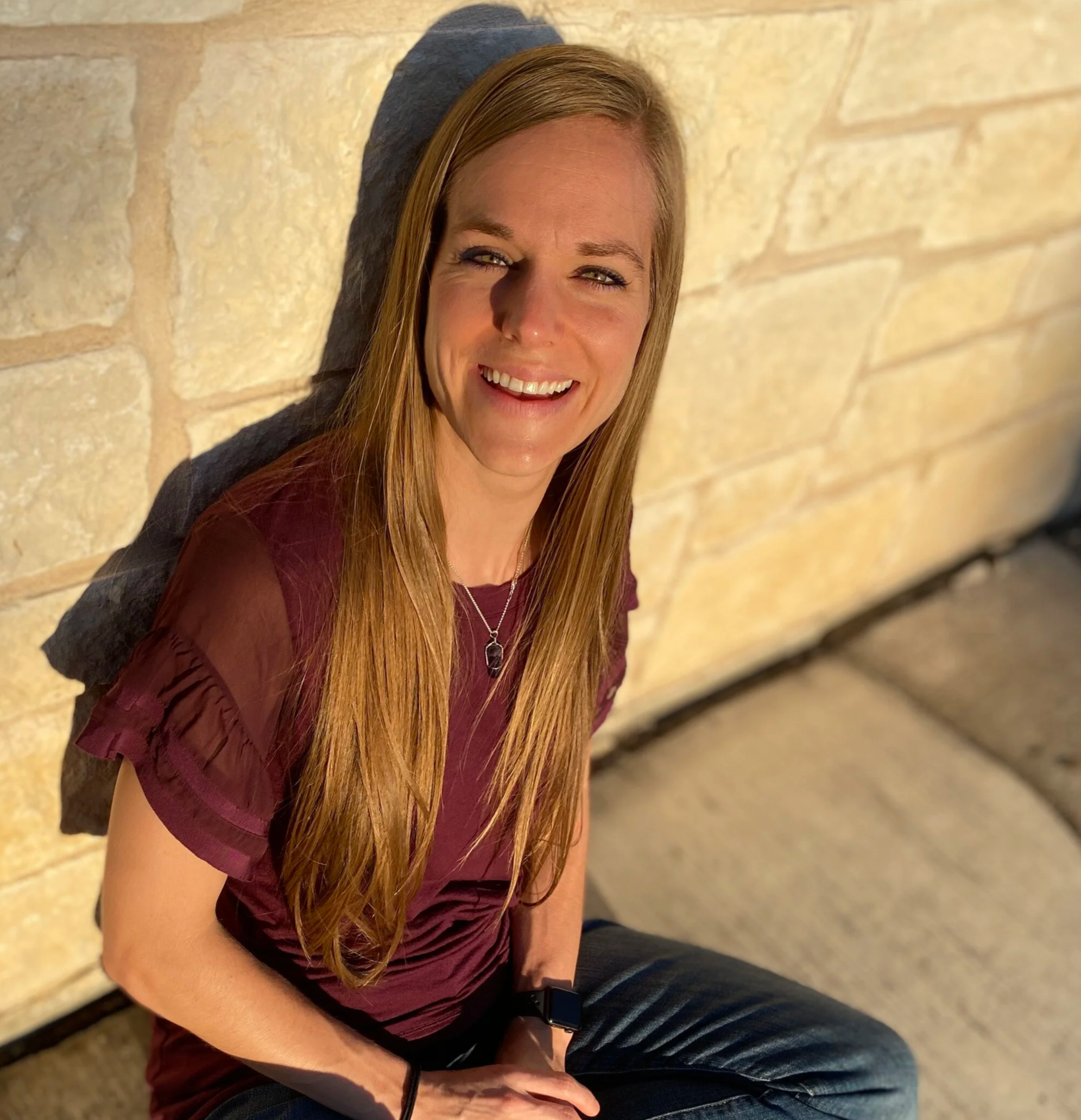
Hello,
I’m Kimber-Lea (they/them)
I’m honored to serve as your guide and provide support for you to reconnect to life. My experiences tell me that you can find meaning from the past, allow comforts in the present, and ignite hope for your continued wellness.
Starting therapy can be scary!
Here’s how it works:
1 - Get Connected
Click Book Your Free Consultation to set up a 20min consultation, free of charge. You can choose a specific consultation time and which therapist you’d like to connect with on our calendars by clicking on the “Book Your Free Consultation” button. We will gladly answer your questions during this call.
2 - Receive Support
Therapy is a process where we’ll collaborate on your goals, build skills to ease your immediate pains, & create a plan specific to your areas of growth. With weekly 45-50 minute appointments you will get the support you need to start building and living the life you want.
3 - Reclaim Your Life
You’ll have opportunities to fulfill the healing you want. You are the expert on you. It’s our job to join with you to explore the how. Together, our shared exploration will create shifts: from hurting to recovering; from insecure to more confident; from stressed-out to grounded.
Frequently Asked Questions
Still have questions? Take a look at the FAQ or reach out anytime through out Contact page here. If you’re ready to dive in, go ahead and book your free consultation.
-
The best way to find out is through a free consultation. That said, if you're a highly sensitive, high-achieving queer person who is exhausted, overwhelmed, and ready to do real work rather than just talk about doing it, there's a good chance we'll be a strong fit. Many clients in Austin and across Texas and Vermont who find their way to counseling with me describe feeling like they've spent years explaining themselves before they could even start. That's something I work hard to make unnecessary from the very first conversation.
-
A free consultation is a relaxed, no-pressure conversation, usually around fifteen to twenty minutes, where you can share a little about what's bringing you in and ask any questions you have about the process or my approach. It's also a chance for both of us to get a sense of whether working together feels like a good fit.
-
A highly sensitive person, or HSP, processes sensory and emotional information more deeply than most people. This can look like being easily overstimulated by noise, light, or busy environments; feeling other people's emotions intensely; needing more time to decompress after social situations; and being affected by things that others seem to brush off easily. It's a trait, not a diagnosis, and it's not a flaw. It's estimated that around 15 to 20 percent of the population shares it. If reading the opening of this page felt uncomfortably familiar, that's worth paying attention to.
-
Yes, and more than that: I'm a queer, nonbinary, sapphic therapist and a member of the LGBTQIA+ community myself. The queer experience isn't a footnote in our work together; it's woven into the conversation from the start. That includes the specific exhaustion of navigating spaces that aren't fully safe, the grief of conditional belonging, the complexity of being out in some areas of life but not others, and the way identity intersects with burnout and high achievement. You won't need to educate me before we can start talking about what actually matters.
-
Integrative therapy means I draw from multiple therapeutic approaches rather than applying one method to everyone. In practice, our work together might include exploring nervous system patterns and how to regulate them, identifying and reconnecting with your core values, building mindfulness skills that help you stay grounded while you make changes, and examining the beliefs and patterns that have kept you stuck. The specific mix depends on you, your history, and what you're working toward.
-
That's a fair and honest question. Therapy doesn't work the same way with every therapist, and a mismatch in approach or understanding can make the process feel flat or even frustrating. If previous therapy didn't account for your sensitivity, your queer identity, or the specific intersection of those two things with burnout and high achievement, it may have been missing the context that makes the work actually land. That context is central to how I work, not something we get to eventually.
I also frequently work with clients who have already done therapy before. They come to me for a lot of different reasons: some felt like something was missing in their previous work, some wanted a fresh perspective, and some simply found themselves in a new season of life that called for something different. Whatever brought you here, we start from where you actually are.
-
There's no honest universal answer to this because it depends on what you're working through, how ready you are to engage with it, and what your goals are. Many clients begin to notice meaningful shifts within the first few months. Deeper pattern work often takes longer. What I can tell you is that we'll talk openly about your progress and your goals throughout our work together, so you're not showing up indefinitely without a sense of direction.
-
All sessions are held via telehealth, which means we meet virtually no matter where you are in Texas or Vermont. For many clients, especially highly sensitive people who spend their days navigating overstimulating environments, being able to show up to a therapy session from the comfort and safety of their own space isn't just a convenience. It's actually part of what makes the work possible. You don't have to commute, sit in a waiting room, or gear yourself up to be in yet another unfamiliar environment. You can be on your couch, in your favorite chair, with your pet next to you, in a space where you already feel safe. That kind of ease matters, and for a lot of clients it lowers the barrier to showing up openly in a way that in-person sessions sometimes don't.
Telehealth also tends to be a natural fit for high achievers with full schedules. No travel time, no parking, no logistical friction. Just a dedicated hour that belongs entirely to you. If you're wondering whether telehealth can feel as connected and real as sitting in the same room as someone, that's a fair question. Many clients are surprised by how present and relational the work feels even through a screen. Connection doesn't require proximity. It requires the right conditions, and creating those conditions is something I take seriously regardless of format.
-
The fact that you're reading this suggests you're closer to ready than you might think. Readiness rarely feels like certainty; it usually feels more like exhaustion with the alternative. You don't have to have everything figured out before you reach out. A free consultation is just a conversation, and it doesn't commit you to anything. Many people find that the conversation itself helps clarify whether they're ready to take the next step.
-
My practice is private pay, which means I don't bill insurance directly. Private pay means your care is guided by what you actually need, not by what a third party is willing to cover.
That said, if you have out-of-network mental health benefits through your insurance plan, you may be able to receive partial reimbursement for our sessions. I can provide a superbill, which is an itemized receipt with the clinical information your insurance company needs, that you can submit directly to your provider. Whether and how much they reimburse depends on your specific plan and benefits, and a clinical diagnosis will need to be part of our work together for that process to apply. It's worth a call to your insurance provider to ask about your out-of-network mental health benefits if cost is a significant factor in your decision.
Therapy is an investment, not just financially, but in yourself, in your future, and in the version of your life you're working toward. The investment in private pay therapy is real, and I don't take it lightly. I hold that reality with care. For clients who are able to make it work, the freedom it creates in the therapeutic relationship is something many of them describe as one of the most valuable parts of the process. You are worth investing in.
-
This is one of the most common concerns people bring into a first session, especially people who are used to being the fixer, doer, and helper rather than the one being helped. You don't have to arrive ready to pour everything out. The work builds gradually, and the relationship we develop over time is what makes deeper vulnerability feel possible. Many clients who described themselves as closed off or guarded early on find that the right environment changes what feels possible. That's not magic; it's what a good therapeutic relationship is built to do, and it is a part of the process.
-
Absolutely. You don't have to be falling apart to deserve support. Many clients in Austin and across Texas and Vermont who seek counseling are high-functioning on the outside while running on empty on the inside. If something feels off, if you've noticed you're not navigating things to the best of your ability, if you're exhausted, disconnected, or just tired of living the way you've been living, that is reason enough to reach out.